30th April – 6th May 2017
Our time in South East Asia was running short, and we had got to the point where we had just over a week to get to Bangkok for our flight to Japan. We considered flying south to the beaches of Thailand, but instead decided to head to Cambodia, even though it would be really rushed.
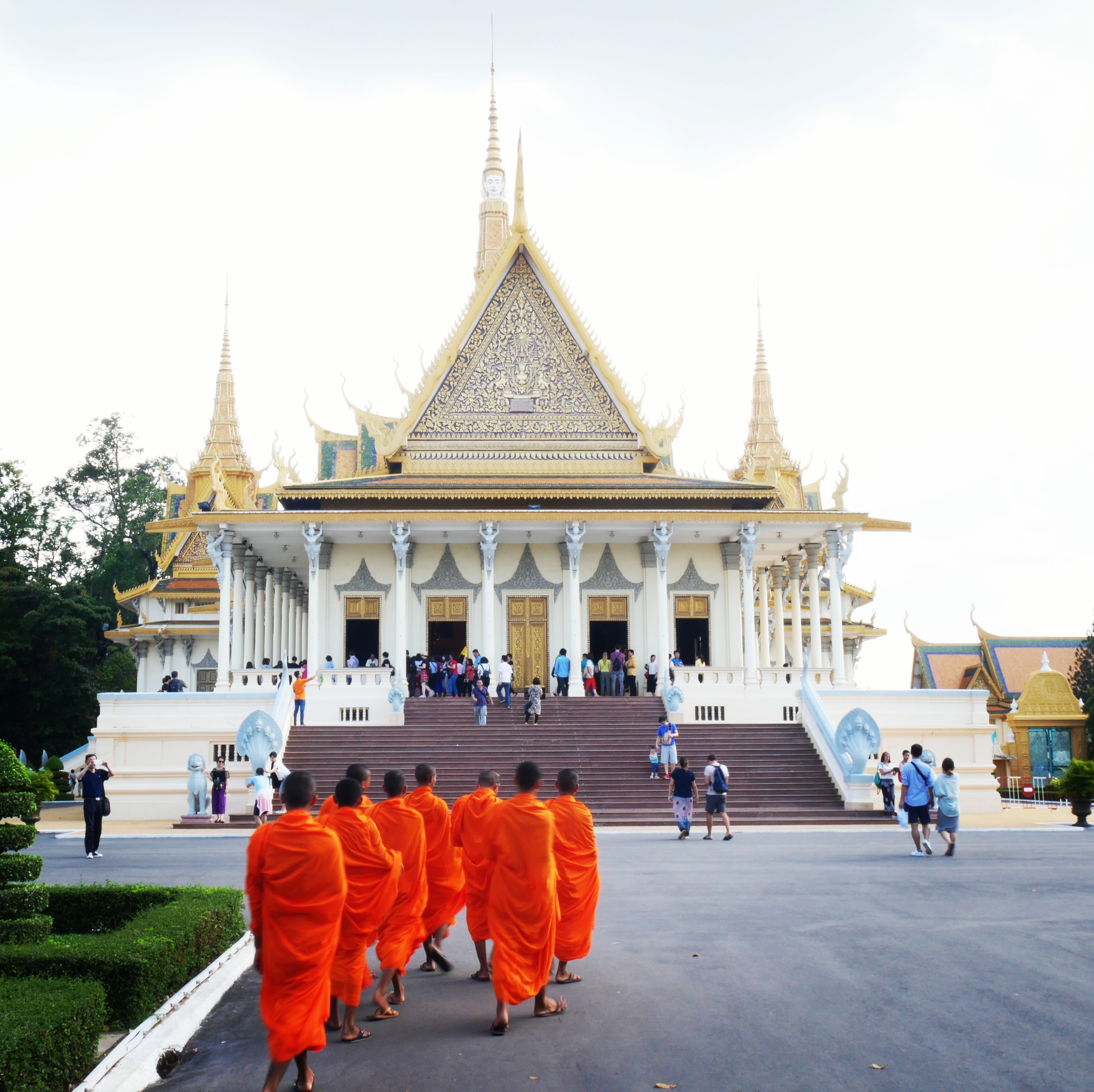
We started by spending 3 days in Phnom Penh. Here we visited the Royal Palace as well as the genocide museums; the latter will be the places that will live longer in the memory.
To be honest, neither Emma or myself knew too much about the history of Cambodia before we arrived. I won’t explain it all here, but I have tried to provide a bit of context to the rest of the blog in the paragraphs below.
In 1975, following years of civil war, the Khmer Rouge defeated government forces and captured the capital, Phnom Penh, and took control of Cambodia. Initially welcomed by the residents of the city, within 2 days the Khmer Rouge began instigating one of the most brutal and extreme attempts at social transformation in history. By the end of their reign, approximately 2 million people had died (about 25% of the total population).
They began by emptying the cities, including Phnom Penh (roughly the size of Birmingham), forcing residents into the fields to work in what was basically a massive slave labour camp. Men, women, children, sick, old and pregnant; it didn’t matter. They were made to work for 12 hours a day with nothing but a couple of bowls of rice to sustain them. Those that opposed them, or were considered a threat, were sent to the prisons camps set up over the country, the most notorious of which was Tuol Sleng, or Security Prison 21 (S-21 for short), in Phnom Penh. On our first day in Phnom Penh, we went to S-21, now a museum that is a record of the crimes of the Khmer Rouge.
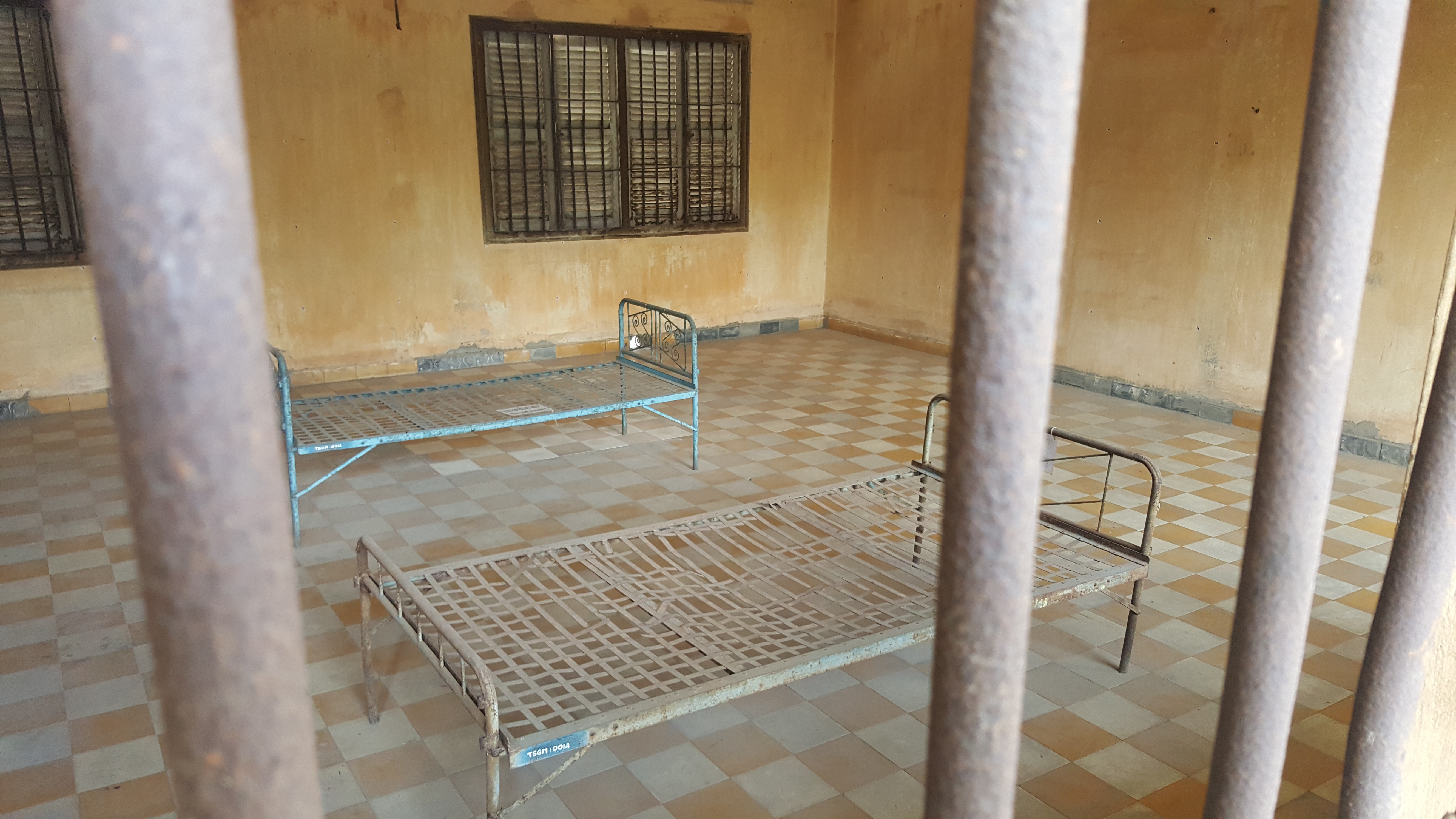
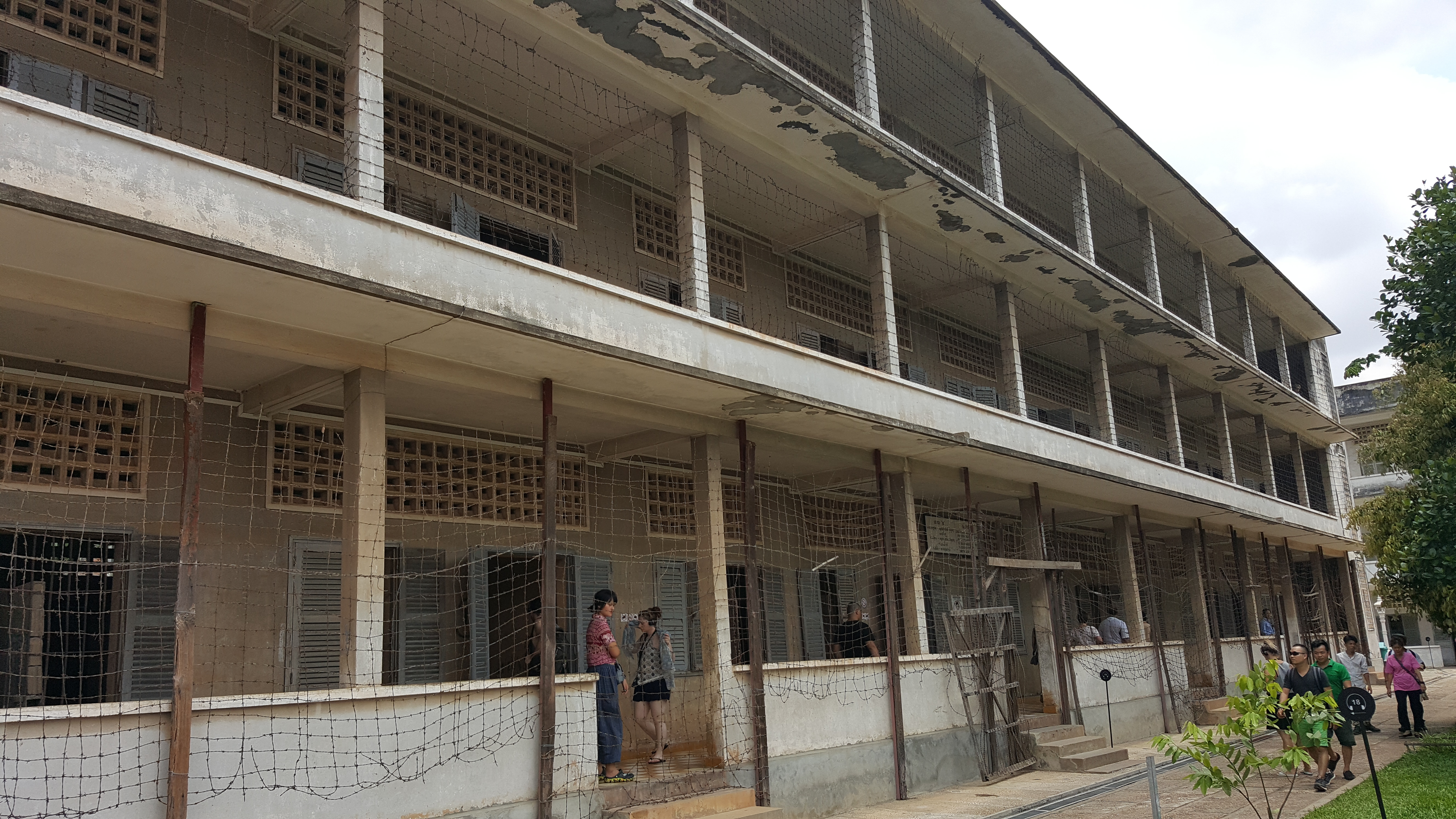
Originally a school, it was converted to a prison when the Khmer Rouge decided education was unnecessary. Being sent to S-21 was the equivalent of a death sentence; of the estimated 20,000 that were interred there, there are only 7 confirmed survivors. Prisoners were put in the most horrible conditions imaginable, and tortured until they confessed to whatever crime they had been accused of, whether they did it or not.
A tour of the museum was a fascinating, if a rather depressing experience. An audio guide, which includes testaments from former guards and inmates, details the horrors that took place as you walk round.
The Khmer Rouge kept meticulous records of what happened. As we walked around the former classrooms/torture chambers, we saw boards showing the photos of hundreds of people that were processed through the facility, almost all of which would have then been killed. The audio tour described the stories of some; it’s these parts, that humanise some of the endless faces, that are the most affecting part of the museum.
Some of the things we found out were pretty disturbing. Apparently, medics were trained to keep prisoners alive to make sure they got to sign their confessions. People were drained of blood to sustain others that had lost too much during torture. If a Khmer Rouge cadre (guard) accidentally allowed a prisoner to die, they could easily find themselves being the ones that were tortured.
Once processed, the inmates would be sent to the Killing Fields, which is also now a museum. This is about 15km outside of Phnom Penh.
We also visited the museum here. Again, an audio tour was provided to explain what happened. It was weirdly eerie; mainly just some fields, a lake and a memorial, it was very quiet, with the only noise coming from the school children playing on the other side of the fence.
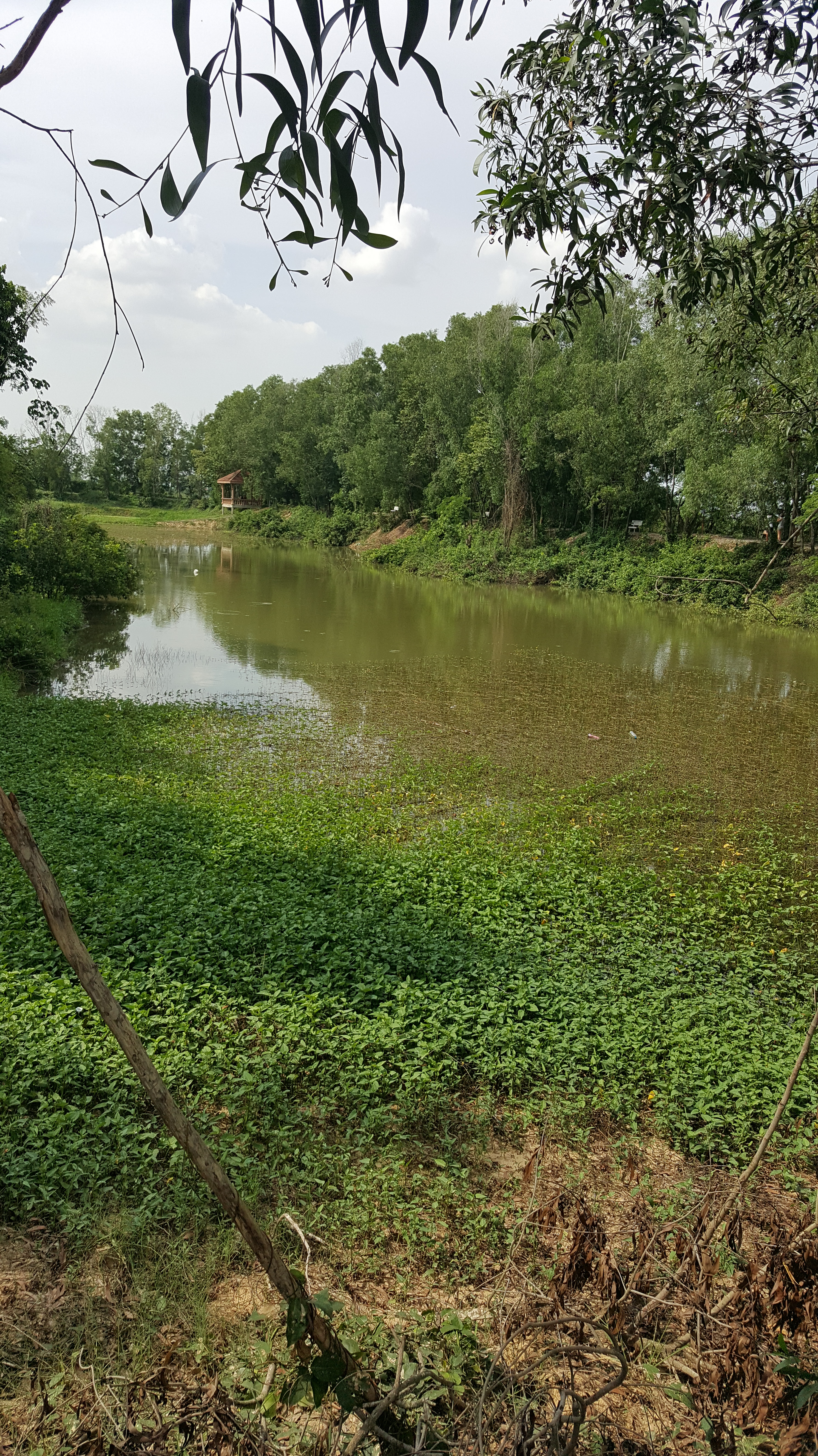
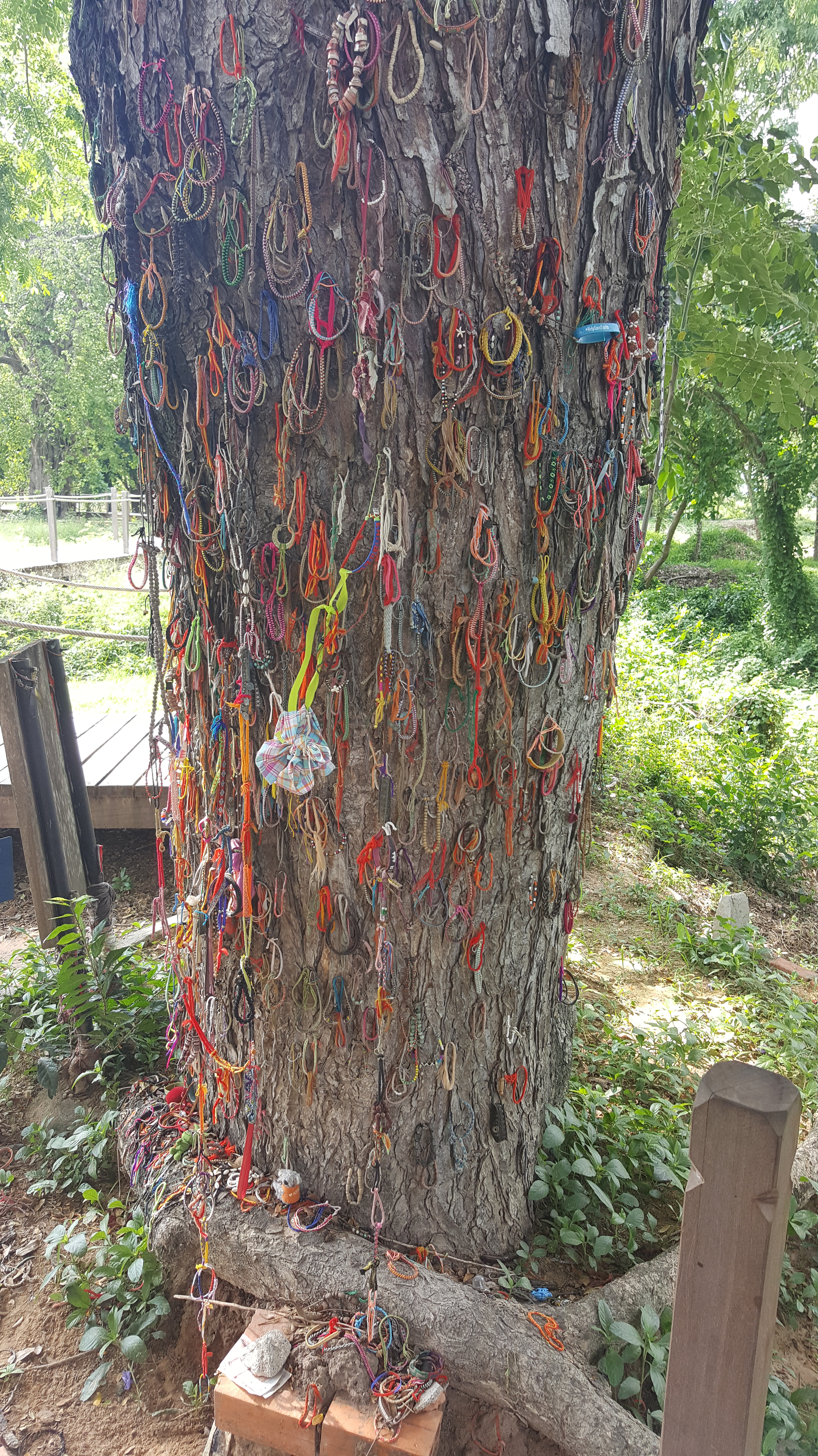
The Killing Fields were where the Khmer Rouge executed the prisoners. Nothing if not efficient, they normally bludgeoned the prisoners to death rather than waste bullets. Children were killed because the Khmer Rouge did not want them growing up to take revenge (“if you are digging up weeds, you need to make sure you take the roots as well” was a motto used). Their bodies were then dumped in mass graves.
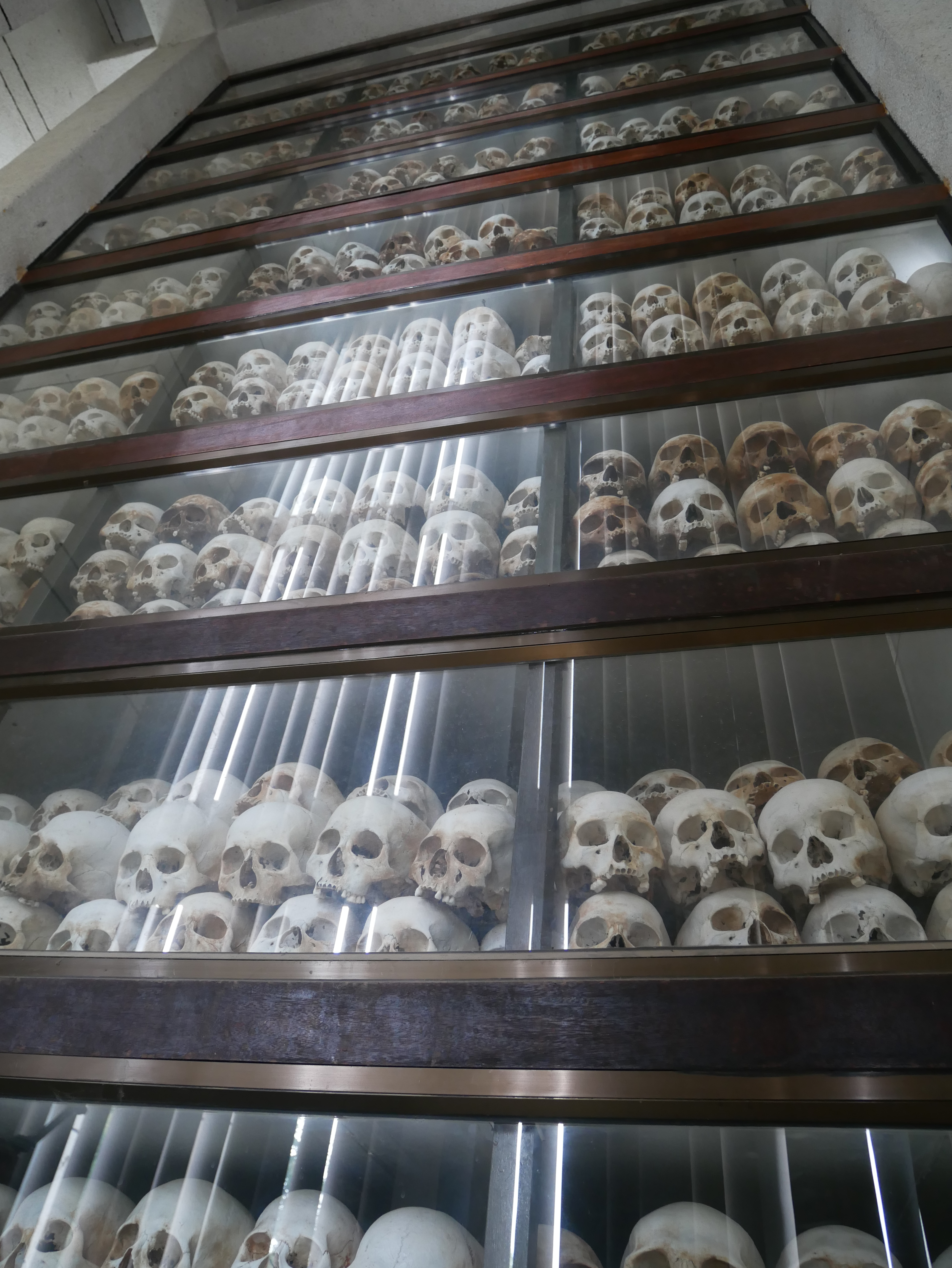
A large memorial to the victims has been erected. This contains thousands of the skulls found in the mass graves, housed in a glass cabinet, with a colour coded system showing the age, gender and how the person died. It’s certainly a powerful statement, that I guess shows the determination of the Cambodian people not to forget what happened.
From Phnom Penh, we headed to Siem Reap, the gateway to the temples of Angkor.
The guidebooks and travel blogs will tell you that Angkor is unmissable; most say you should spend a minimum of a few days exploring. Having seen our fair share of temples in South East Asia, we weren’t so sure.
To quote the Lonely Planet; “The temples of Angkor in one day? Sacrilege!!!”.
In the end, we opted for 3 nights in Siem Reap, with 2 days exploring the temples. In hindsight, we reckon we could have done it in one. This would have saved us a fair bit of money; the 3-day pass to get into the temples was a whopping $62 each, whereas one day is $37. I know this is not extortionate by western standards (cheaper than Disneyland I guess) but certainly a lot relative to the cost of everything else in Cambodia.
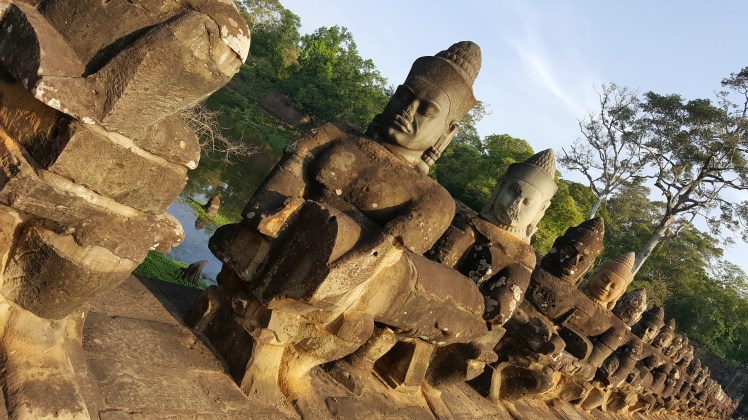
However, we did enjoy looking round the temples. We did sunrise over Angkor Wat (the largest religious building in the world) which was pretty special.

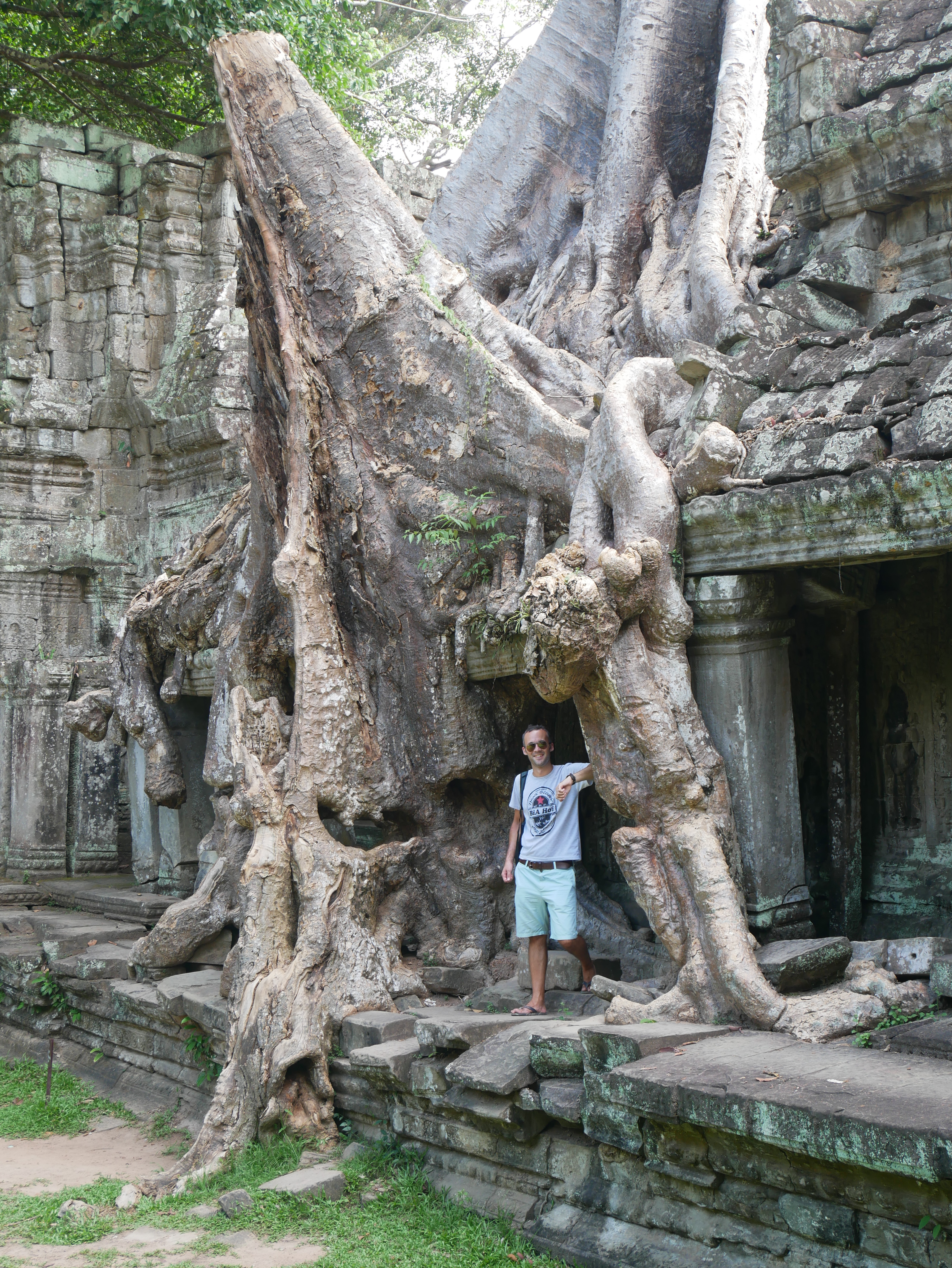
Although Angkor Wat was impressive, our favourite temple was Bayon, which had hundreds of carved faces adorning the walls, and was really cool. We also liked Ta Prohm (where they filmed the Tomb Raider movie) although any hopes I had of feeling like Indiana Jones exploring some lost temple was tempered by the extensive scaffolding due to the restoration work taking place.


Are we glad we decided to visit Cambodia?It’s a terribly poor country, which is kind of encapsulated by the desperation of the tuk-tuk drivers for business, who were absolutely relentless in their touting. The currency is worthless; everything is paid for in US dollars. We were very aware of our relative wealth here, more so than anywhere elsewhere in South East Asia. Em felt particularly uncomfortable with this at times; never more so than in Pub Street in Siem Reap, where we witnessed children rummaging through bins whilst only a few feet away tourists drank buckets of cocktails.
Overall though, we’re glad we came. It really helped us appreciate how fortunate we are to be travelling the world. Our visit will bring much needed money to the country. With such a corrupt government, we do fear some of it will not go to those who need it (in particular the money we paid to go to the temples of Angkor). Having seen so little of the country, we are aware that perhaps we haven’t got the full picture of what Cambodia is like, but with so little time to do it, we knew that would be the case before we arrived.
(Posted by Ben)
 Emma & Ben... Far From Home
Captivating reading! What an amazing journey you are on.
LikeLike