26th-30th April 2017
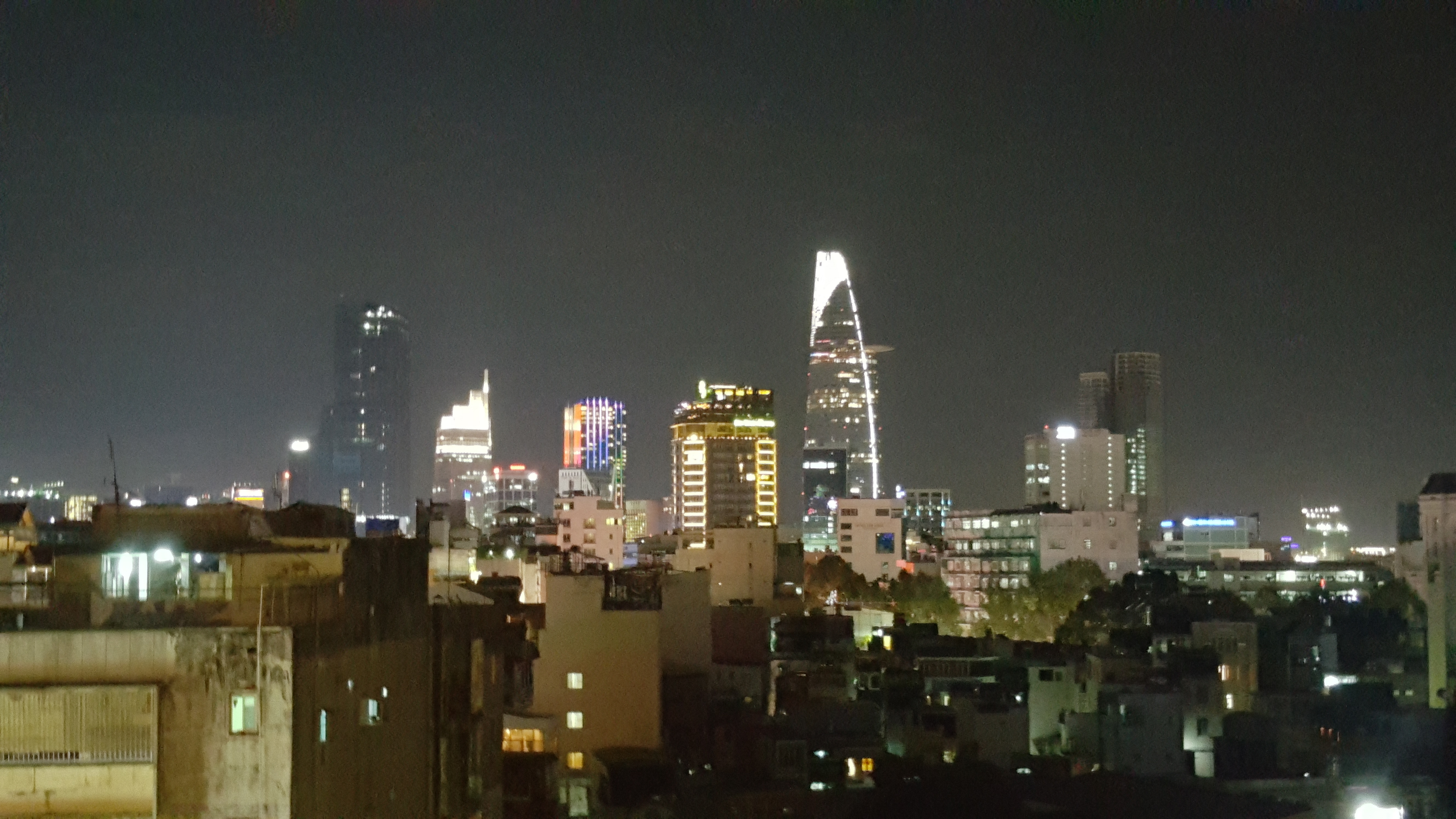
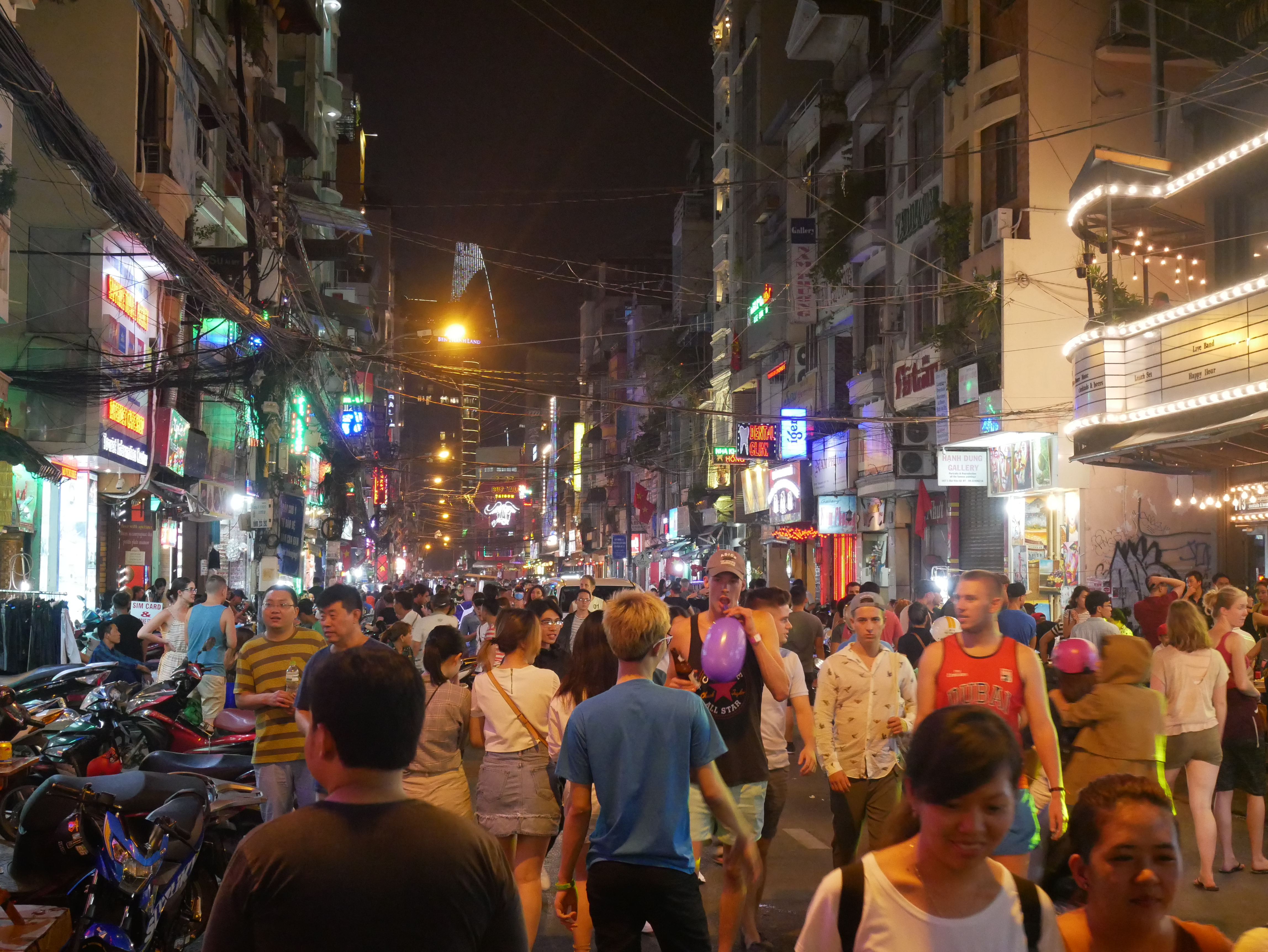
Driving from the airport to our accommodation it was clear that Ho Chi Minh City (previously known as Saigon, and renamed after the war) was quite different to Hanoi, the other big city in Vietnam. There were lots of skyscapers, big shopping malls, neon signs lit the streets and McDonalds and Starbucks were everywhere. It didn’t feel very communist.
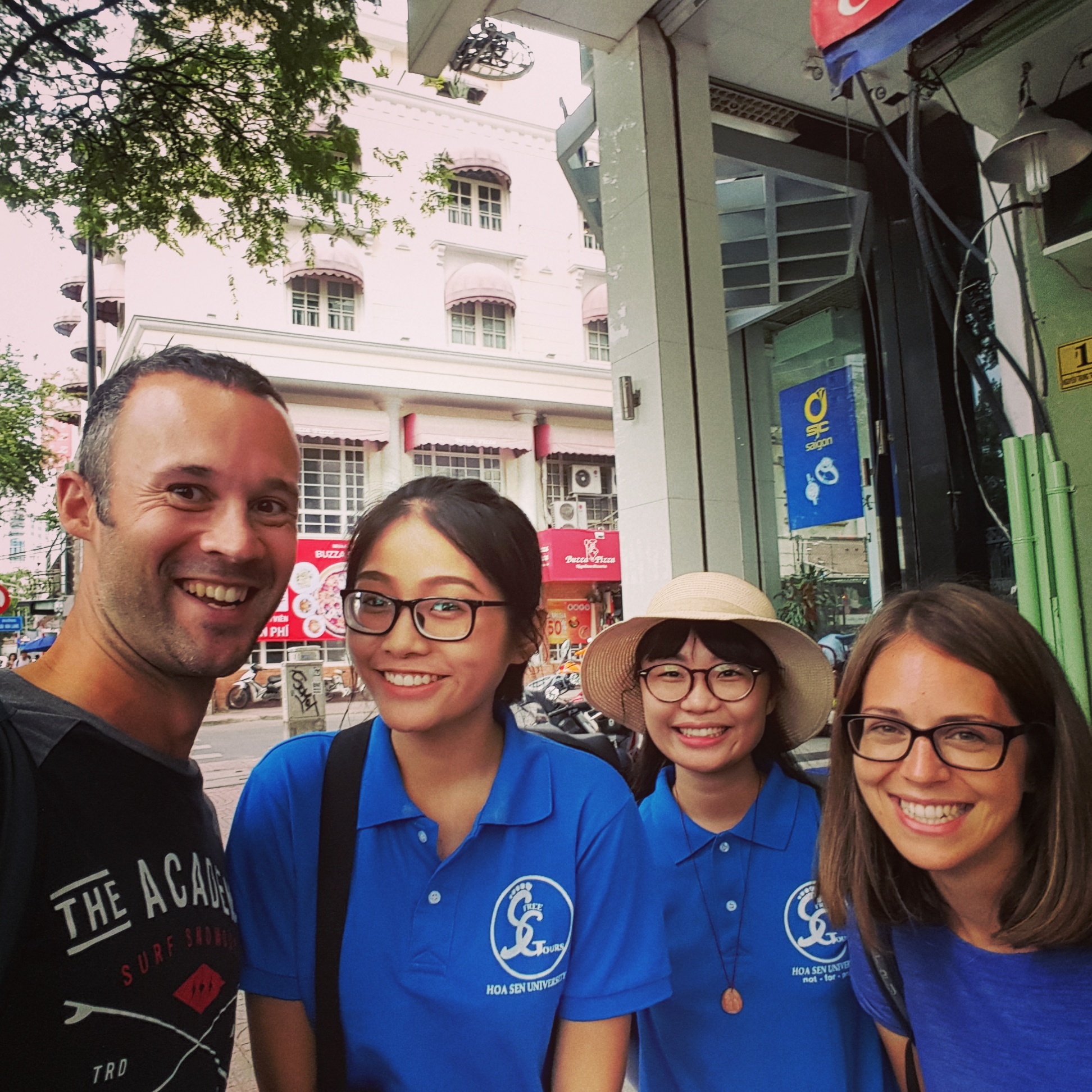
On the first morning, we booked a walking tour with two students. It was a free tour, and was booked through a company that set it up to provide young Vietnamese with an opportunity to practise their English. Our guide, Julie, turned up at about 8am and led us through the streets to meet a second guide, Yin, who was waiting elsewhere. When we found her, Yin was dripping in sweat; the poor girl looked like she had run halfway across Saigon to get there on time.
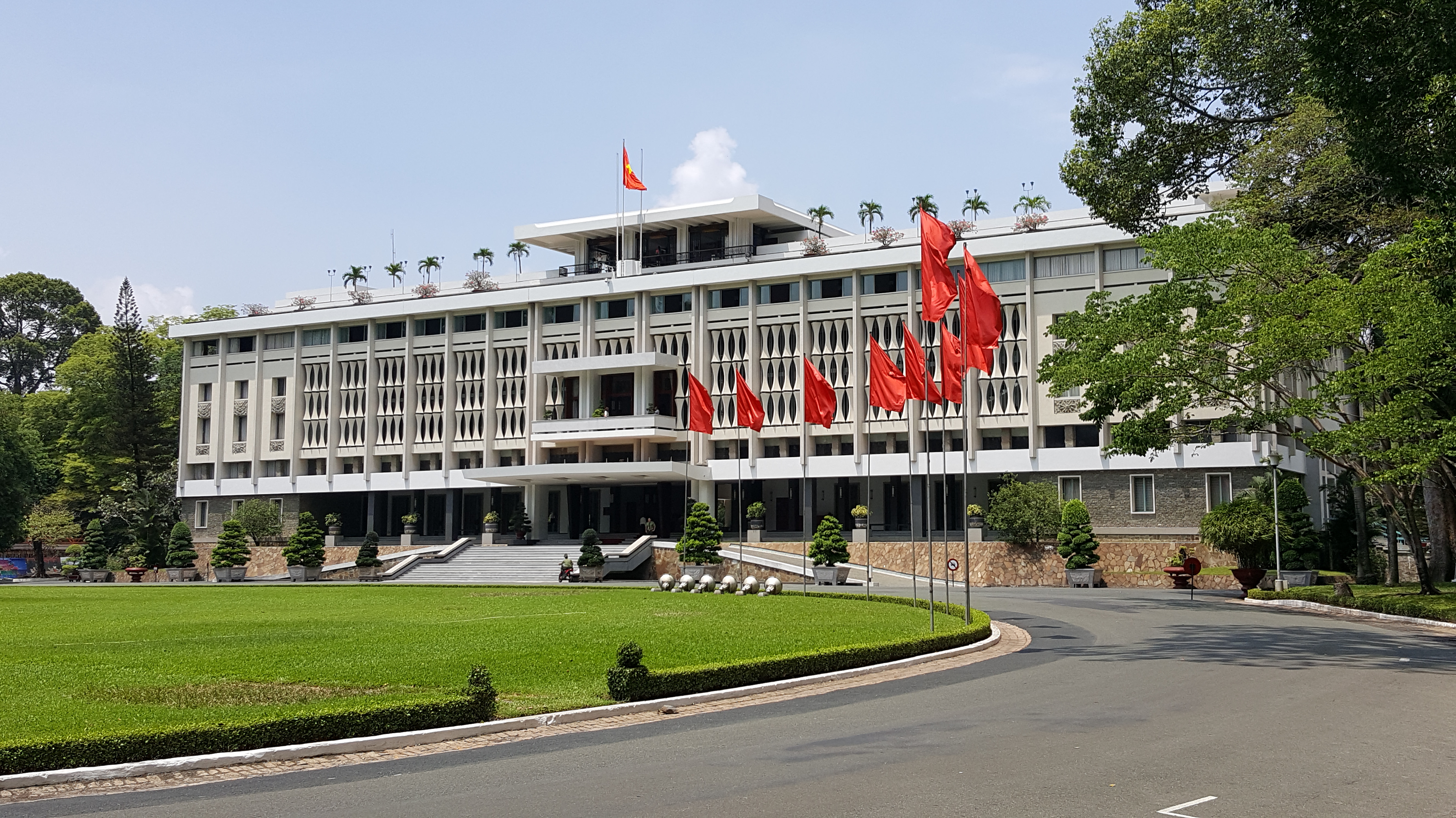
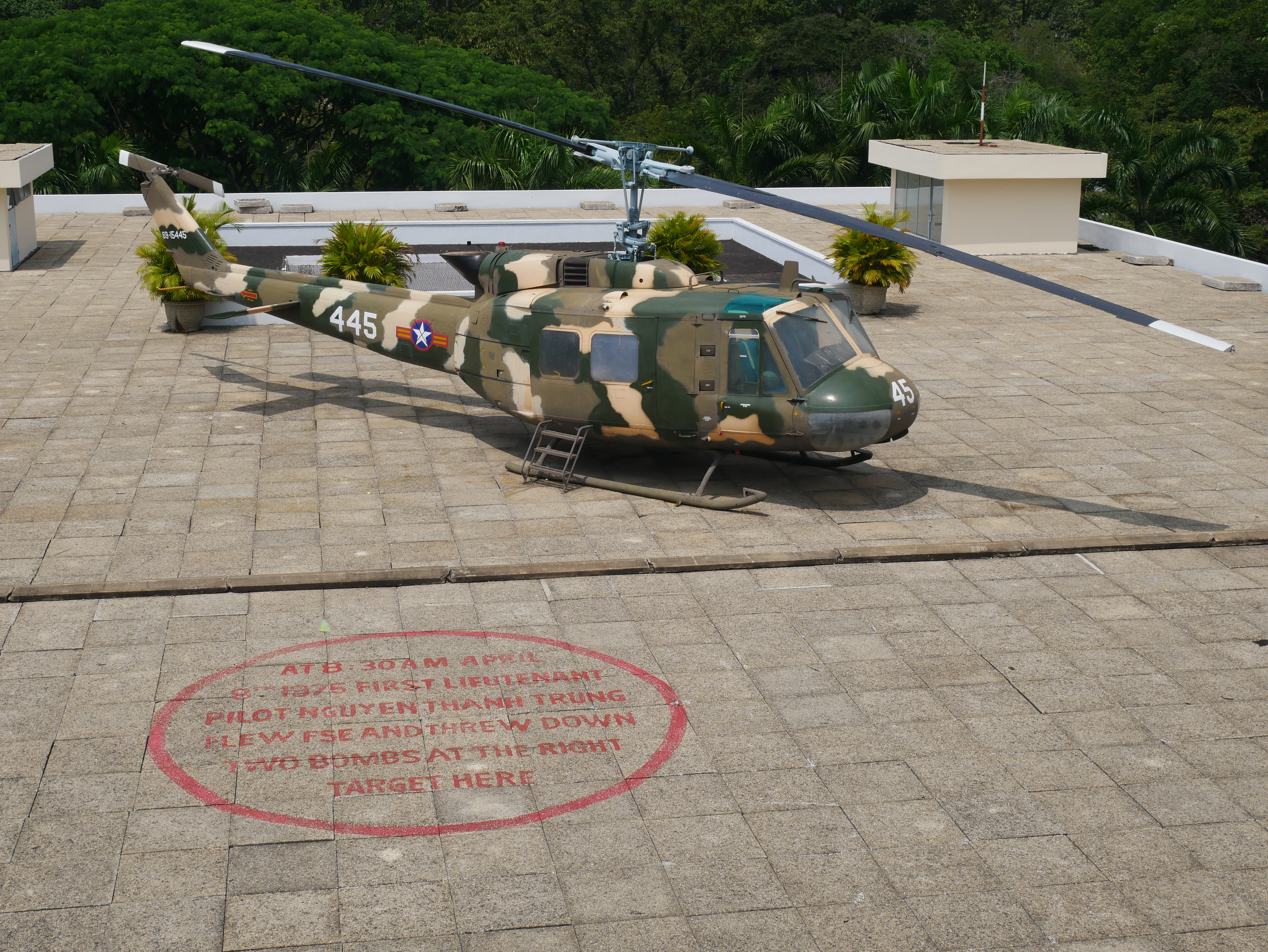
The girls showed us round some of the key landmarks, including the post office, opera house and Notre Dame Cathedral. They then took us to the Imperial Palace. It was the headquarters of the South Vietnamese government during the Vietnam War; there is a famous photo of the tanks rolling into the palace grounds in 1975, just prior to the surrender of South Vietnam to the North. It held a real sense of history; it almost looked like it had been frozen in time, like a time capsule. The decor was all 60’s/70’s kitsch retro. Pictures hung on the wall, showing meetings taking place in the rooms between the big players in the US and Vietnam governments of the time; Nixon, Kissinger and Diem. There was a bunker where the leaders would retreat to in case of an air raid; the roof showed the spot where bombs landed on the one occasion an NVA pilot managed to get through and hit the palace.
Julie and Yin then asked us if we wanted to go for a coffee. The first two places they thought of were shut, so they said we would go to Phuc Long instead. Although the temptation to make a crude joke was strong, the girls seemed really sweet and would probably have been embarrassed or offended by my attempt at humour. Or even worse, just thought it simply wasn’t funny.
Phuc Long is actually a chain of cafes found all over Saigon, and they are great; we ended up going several times. We decided to shout the girls their drinks. Now, when British people are offered a drink, they will normally go for a medium priced option out of politeness; it seems that the Vietnamese etiquette is different. Julie and Yin went for the most expensive drinks you could get. They were twice the price of ours. To be fair to them, they at least allowed us a tiny sip of each so we could taste what we had shelled out for.
We really enjoyed chatting to the girls and finding out what it’s like to be young and Vietnamese. Both harboured ambitions to work in the tourist industry; Julie as a guide, Yin in a 5 star hotel. I think Em felt some kinship with Yin at this point.
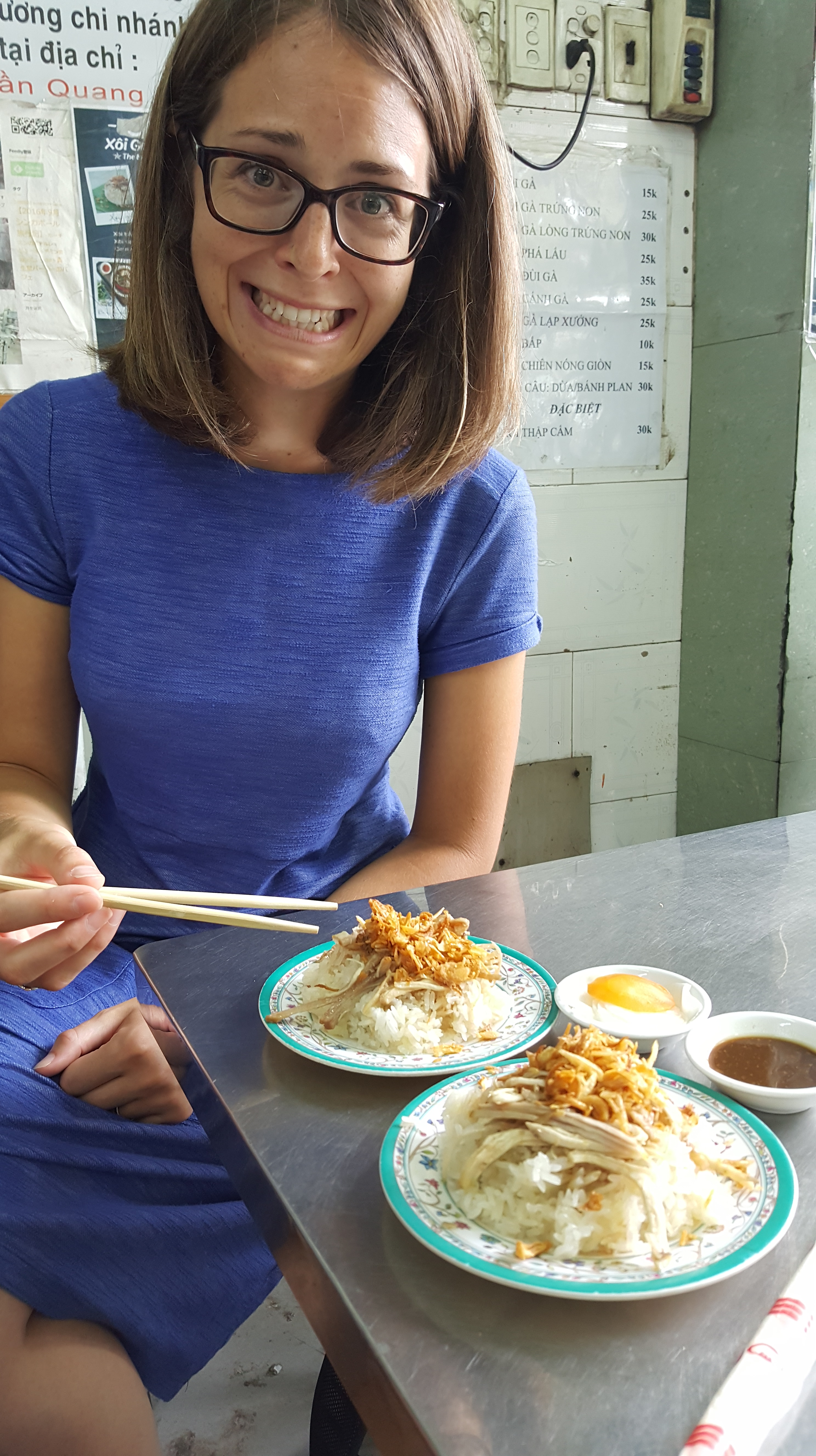
At the end of the tour, Julie and Yin pointed us in the direction of a street vendor that apparently did the best chicken sticky rice in the city. They asked us if we wanted the best bits of the chicken; the heart and lungs. We politely declined, and went for some more “regular” cuts, although I’m still not sure which part of the bird it came from.
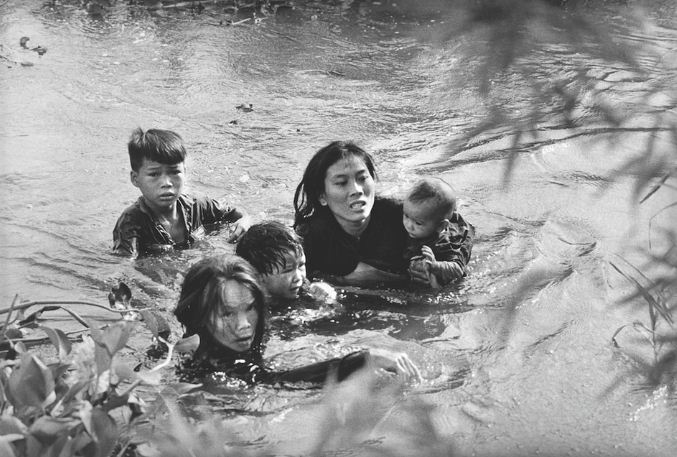
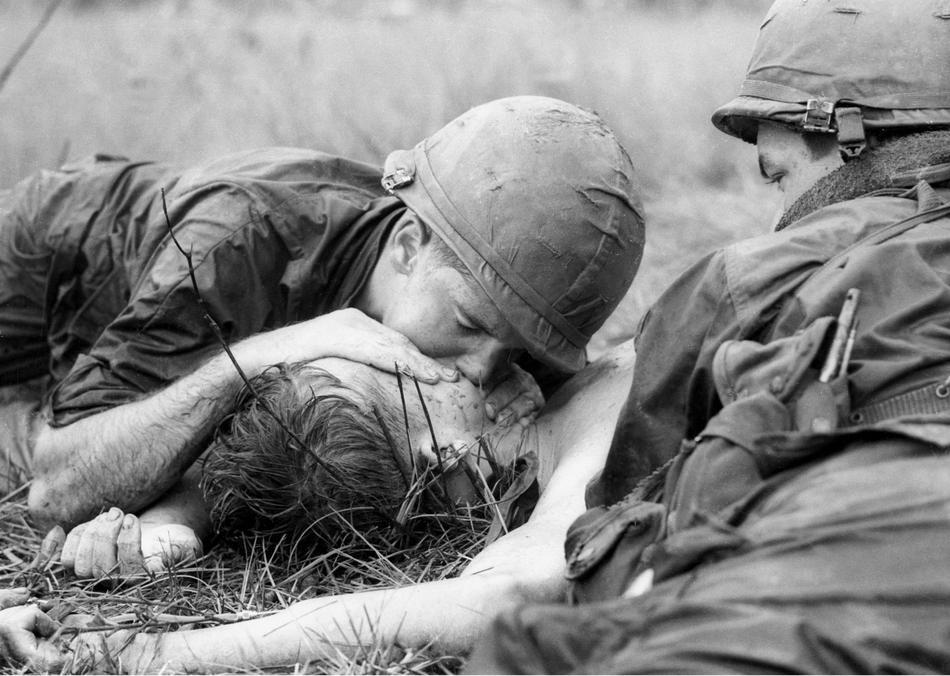
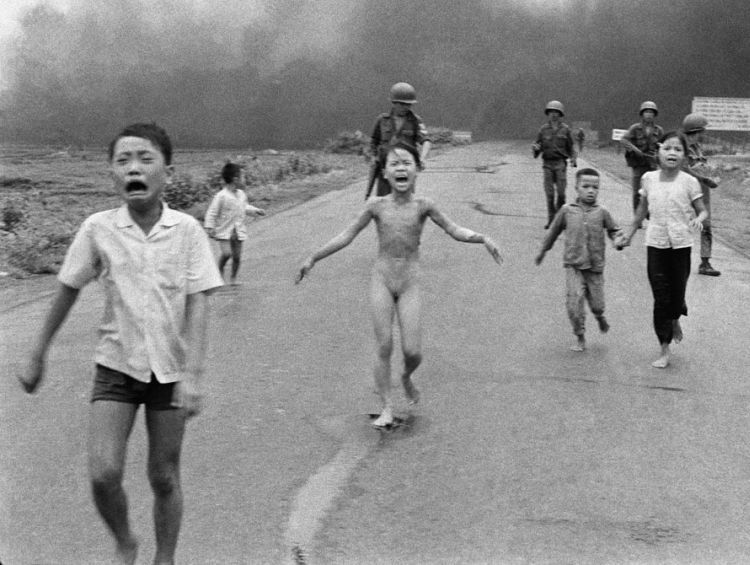
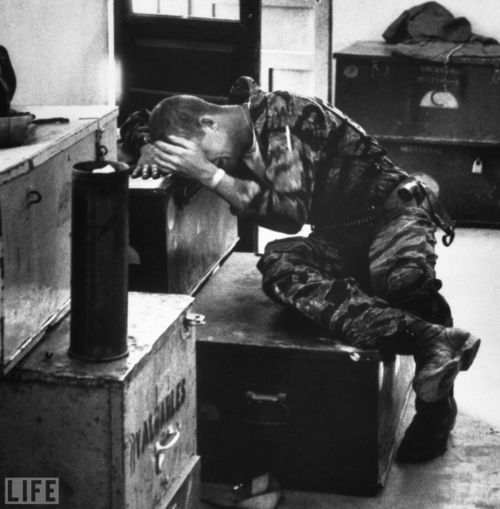
On the second day, we decided to hit the museums. The first was the War Memorial Museum. Although we had been to a similar one in Hanoi, this one was better. We felt it gave a (slightly) more balanced view of the Vietnam War. The highlight was an exhibit of photographs taken by a variety of journalists that covered the conflict. The photographs were really powerful, and pulled absolutely no punches in showcasing the horror of war. There was also a second exhibit showing the effects of Agent Orange, a defoliant sprayed by US planes over the jungles which ended up having severe effects on the health of those exposed to the chemical. It also led to terrible deformities in the children of these people. It is still a problem in areas of Vietnam where there remains a high concentration of Agent Orange on the soil. Some of the photos that were in the exhibition are quite famous (I downloaded a few and they are below).
The second museum we visited was the Ho Chi Minh City Museum. It was a lot quieter than the War Memorial Museum. We quickly discovered the reason for this; it was because it is one of the most boring museums on the planet. Old bits of pottery, stats on industrial development and a few costumes. We left after about an hour.
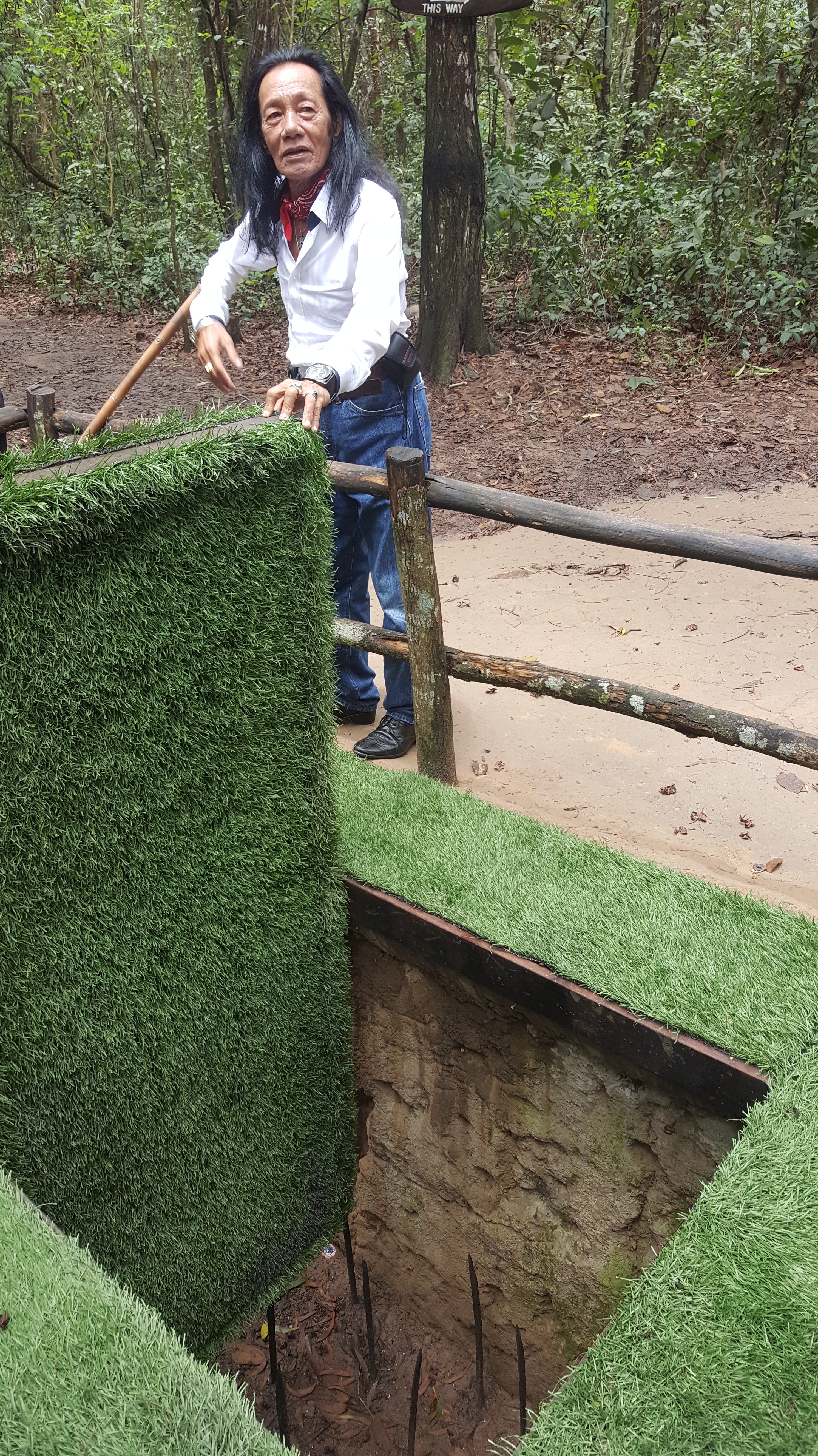
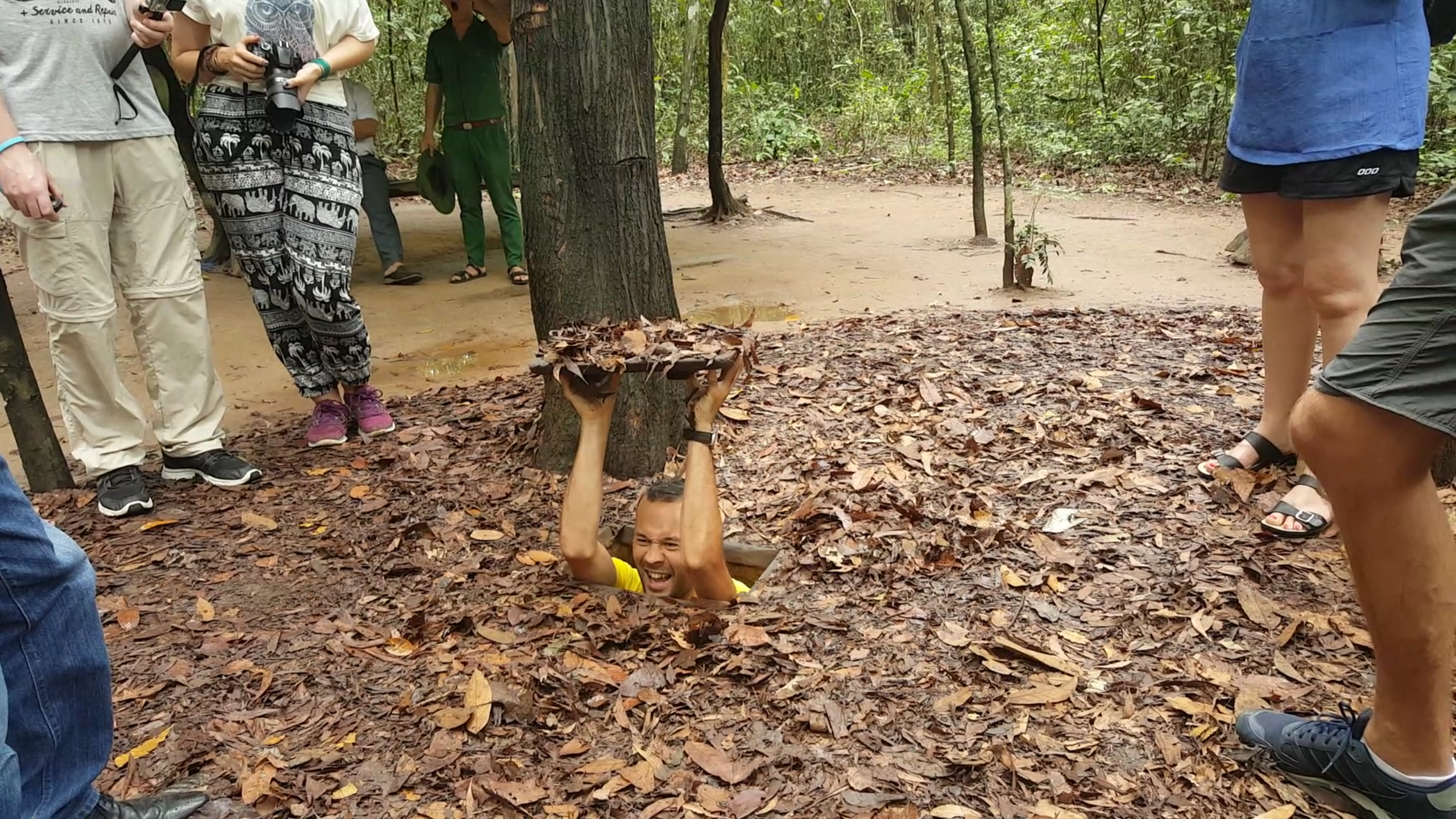
On our final day, we took a day trip out to see the Chu Chi Tunnels. Located just outside Saigon, they were used by the Vietnamese against both the French and Americans in the respective wars against them. Our guide was an old ‘Nam Vet by the name of Jackie (after Jackie Chan); he worked with the US Navy Seals during the Vietnam War. Dressed a bit like a cowboy, with long flowing hair, he didn’t seem to be totally sane; his declaration of his admiration for Donald Trump did nothing to alleviate my suspicions.
Sane or not, I’ll be the first to admit that he was brilliant at bringing the Chu Chi Tunnels to life. His explanation of how the Viet Cong used the tunnels to implement guerrilla and hit and run tactics was fascinating and provided a real insight into why the greatest military power in the world could not defeat the Vietnamese forces.
At the end of the tour, we had the option of firing an AK-47 at the shooting range. We decided against it, for a couple of reasons. Firstly, it was $2 a bullet. Considering these were machine guns, holding the trigger for even a couple of seconds would be very expensive. Secondly, after learning about horrors of war for the last few hours, shooting guns seemed to be in poor taste. However, a couple of Aussie guys in our group gave it a go, and were rewarded with a certificate at the end as proof of their manliness.
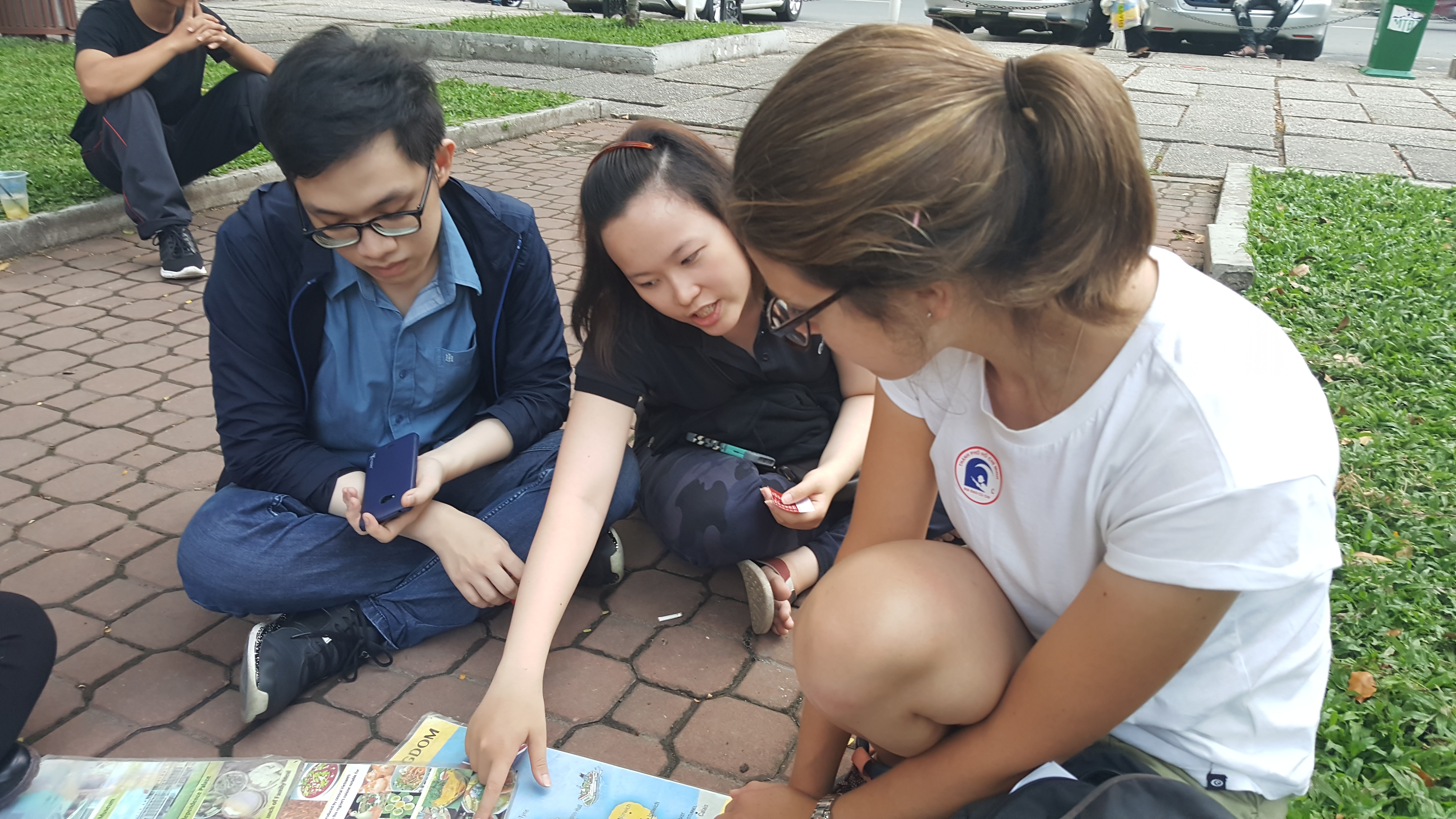
After we were dropped back in Saigon, we went to Phuc Long (of course) for a drink and then went back to the hotel. On the way, some Vietnamese students stopped us and asked us if they could practice their English with us. This was the third time this had happened in Vietnam. As we didn’t really have anything else planned we stopped and talked with them for half an hour or so.
They asked lots of questions about english culture, geography and history. I have to admit I enjoyed berating the students about not recognising William Shakespeare. As a teacher I have missed mocking students for their lack of knowledge; it’s one of my favourite parts of the job. We also tried to explain idioms like “hit the nail on the head”, “bright as a button” and “on the ball”. It was surprisingly tricky.
Final thoughts on Vietnam
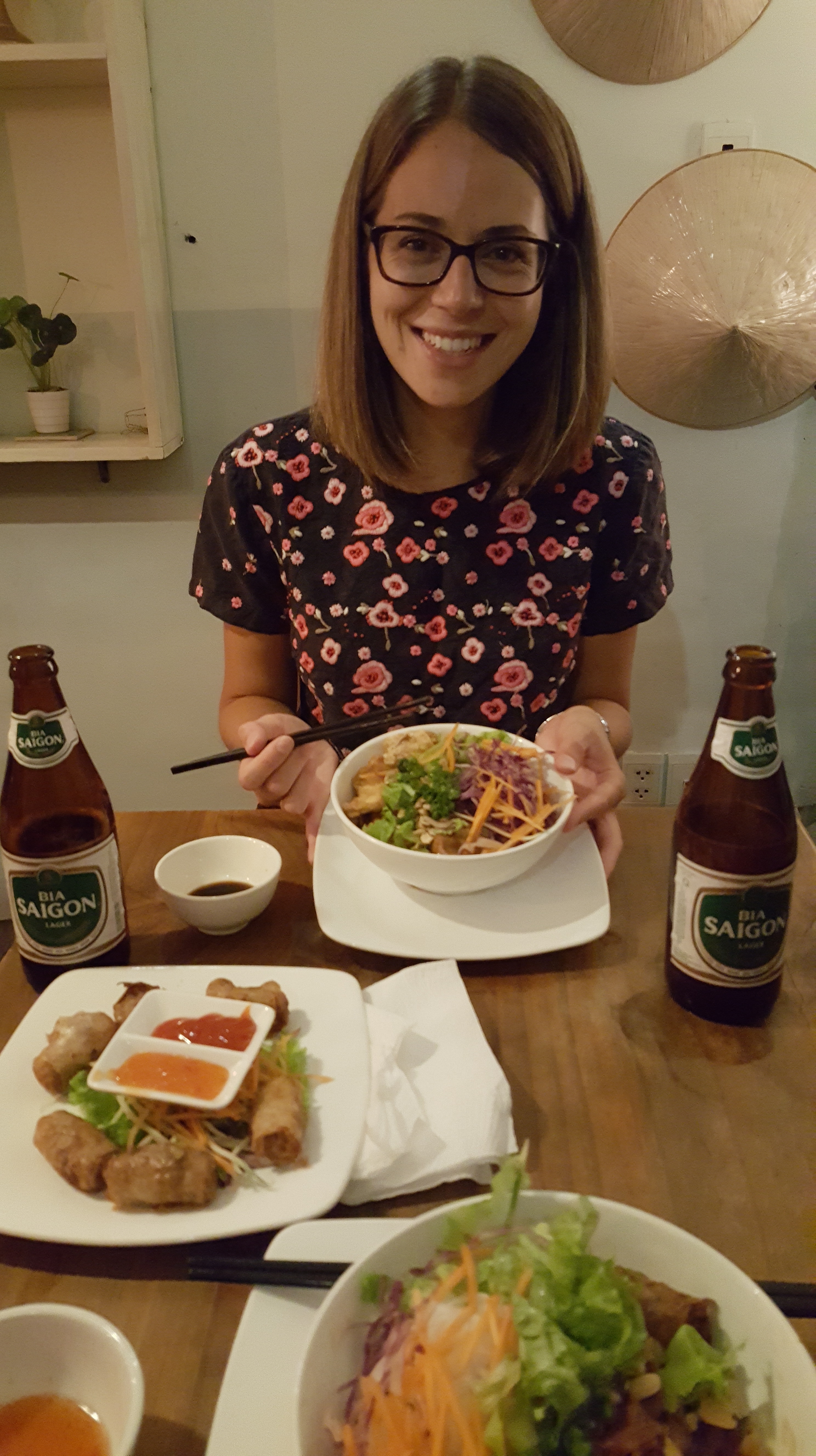
We spent nearly 3 weeks in Vietnam, and absolutely loved it; it’s definitely one of our favourite countries so far. The food was awesome (we will definitely be hunting down some Vietnamese restaurants back home), the history both fascinating and tragic, and the people open, friendly and welcoming. Like Thailand, it is well set up for backpackers and travelling is easy. There were quite a few things that we didn’t get round to doing; trekking in Sapa, the Mekong Delta and the southern beaches, but I suppose that gives us an excuse to visit again one day.
(Posted by Ben)
 Emma & Ben... Far From Home